

Lightweight Wheelchair for Elderly: Features That Matter Most
A wheelchair is only as good as its fit for the person using it. For elderly users, that means comfort, ease of handling and genuine independence, not just a lower price tag or a smaller frame. Choosing the right lightweight wheelchair for elderly family members can make the difference between a device that gets used every day and one that ends up gathering dust in a corner.
Mobility needs change with age, often gradually and sometimes overnight after a fall, surgery or diagnosis. A wheelchair that’s too heavy to fold, too wide for doorways, or too stiff to steer becomes a source of frustration rather than freedom. That’s why picking the right one deserves more thought than a quick online search.
This guide breaks down what actually matters when selecting a lightweight wheelchair for elderly users, so you can make a decision based on real needs rather than marketing claims. Along the way, we’ll also look at a couple of specific models from Onymed to show how these features play out in real products.
Why Weight Actually Matters
The word “lightweight” gets used loosely in the mobility aid industry, so it helps to understand why it matters in the first place.
Easier for Caregivers to Manage
Many elderly users rely on a family member or caregiver to lift, fold and load the wheelchair into a car. A heavy chair puts strain on the caregiver’s back and shoulders, which over time can lead to injury or simply discourage outings altogether. A lightweight wheelchair for elderly users reduces that physical burden considerably.
Better Control for the User
If the person is self-propelling, extra weight means more effort with every push. Lighter frames require less strength to move, turn and stop, which matters a great deal for someone with reduced upper body strength or arthritis in the hands and wrists.
Simpler Transport and Storage
Folding mechanisms, trunk space and even apartment storage all become easier to manage with a lighter chair. This is often the deciding factor for families who travel frequently or live in smaller homes.
Frame Material and Build Quality
Not all lightweight frames are built the same way, and the material used affects both durability and price.
Aluminium Frames
Most lightweight wheelchairs for elderly models use aluminium because it strikes a good balance between strength and weight. Aluminium frames typically hold up well to daily use without adding unnecessary bulk.
Where Chrome Steel Frames Still Fit In
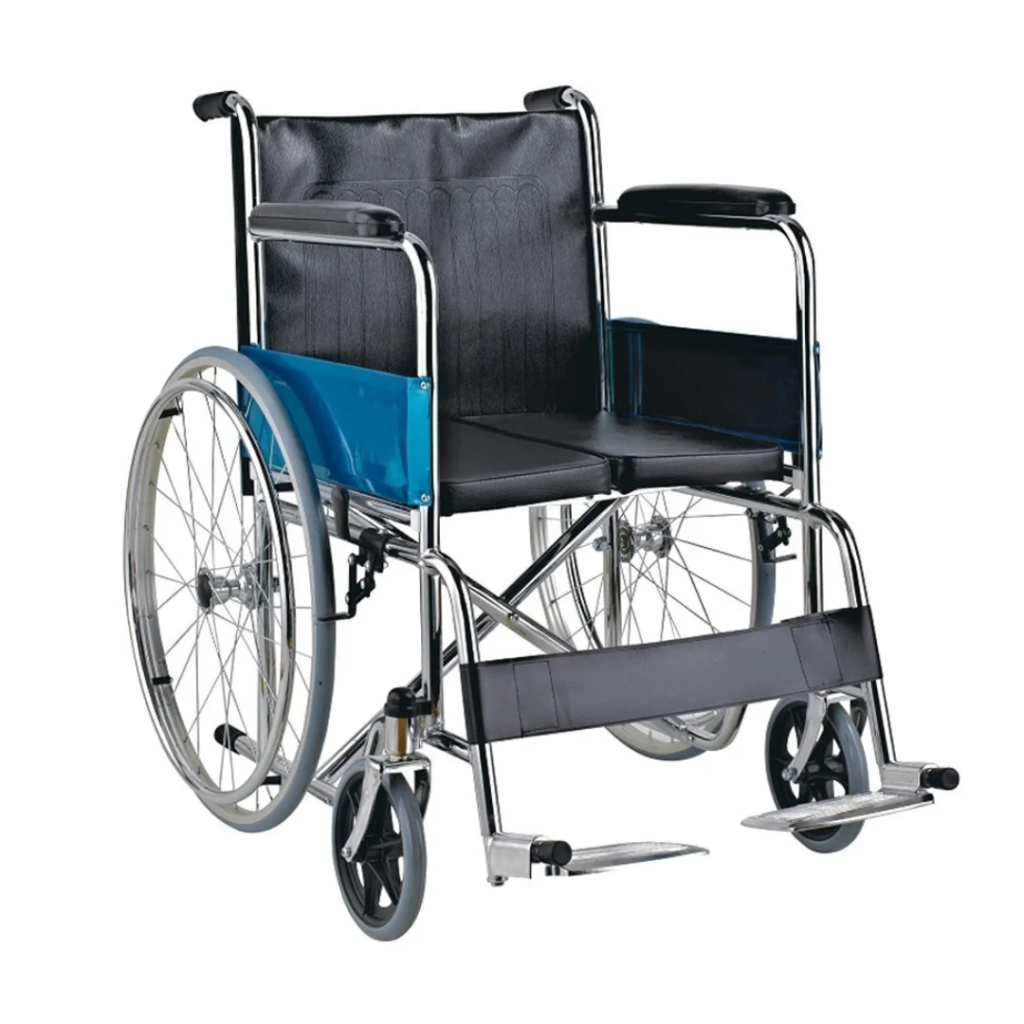
Not every wheelchair on the market is built to be ultra-light, and that’s not always a downside. Some models trade a bit of portability for extra sturdiness instead. The ADI Wheelchair from Onymed is a good example, built with a strong chrome steel frame, fixed armrest, fixed legrest and a hard seat cushion. This kind of build suits users who need a stable, no-frills chair for everyday indoor movement rather than frequent travel or lifting in and out of a car.
Checking the Weight Capacity
A lighter frame doesn’t always mean lower weight capacity. It’s worth checking the manufacturer’s stated limit carefully, since some compact designs are built for smaller users while others support a wider range.
Comfort Features That Get Overlooked
Weight and portability are only part of the picture. A lightweight wheelchair for elderly users still needs to be genuinely comfortable for extended periods of sitting.
Cushioning and Seat Depth
A thin, flat seat pad might look fine in a showroom but can cause discomfort within an hour of use. Look for adequate cushioning and a seat depth that matches the user’s leg length, since an ill-fitting seat can contribute to poor posture and pressure sores.
Removable Seats for Easier Cleaning
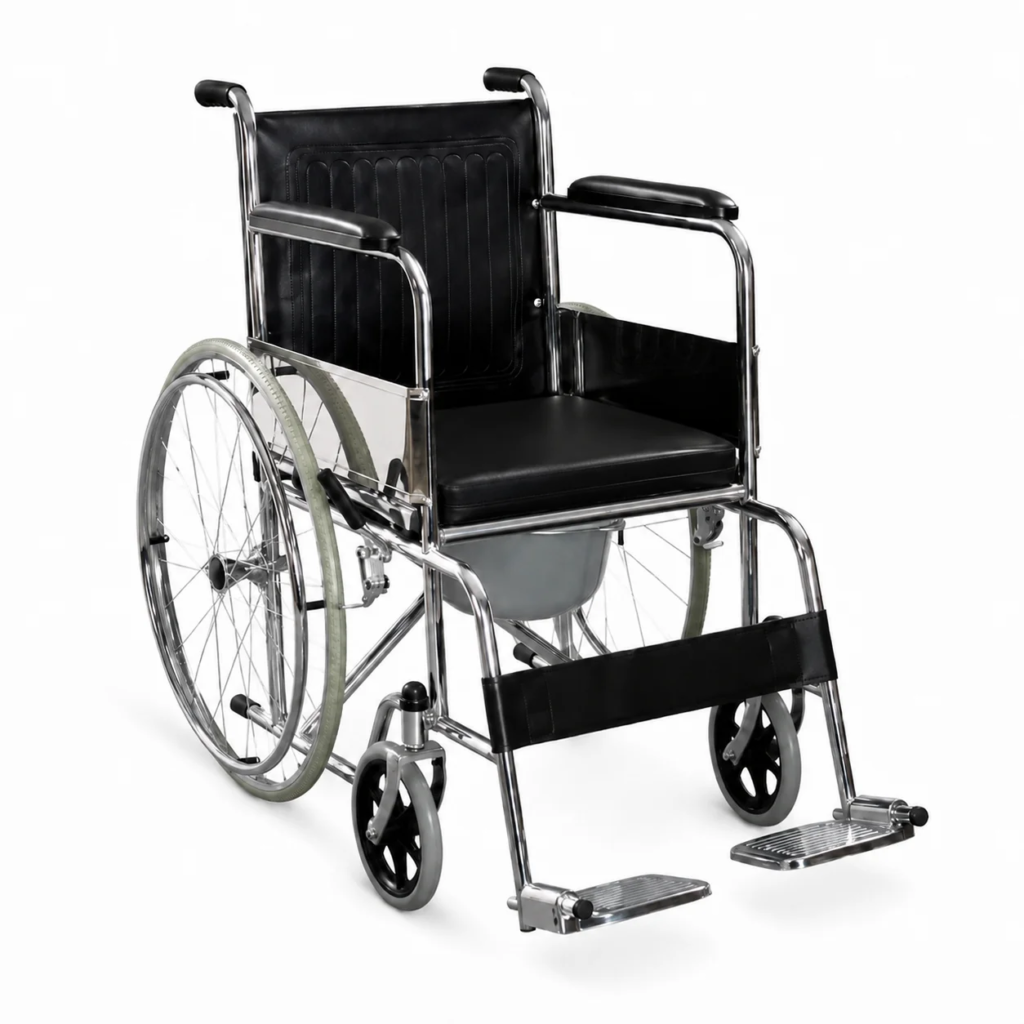
Some chairs go a step further with a removable cushion seat, which makes cleaning and hygiene maintenance much simpler. The Adora Wheelchair pairs a removable cushion seat and smooth mobility wheels with an easy-clean commode bucket, which is worth considering for users who need combined mobility and commode support in one chair rather than buying two separate pieces of equipment.
Armrests and Footrests
Removable or flip-back armrests make transfers easier, while adjustable or swing-away footrests help with getting in and out of the chair safely. Both the ADI and Adora models from Onymed use fixed armrests and footrests, which keeps the design simple and sturdy, though it’s worth checking whether fixed or removable suits your transfer routine better.
Mobility and Handling on Different Terrain
Where the wheelchair will be used most often should guide the decision as much as its weight.
Indoor Use and Tight Spaces
For homes with narrow hallways or small bathrooms, a compact wheelchair width and a tight turning radius matter more than raw portability. Some lightweight wheelchair for elderly designs are specifically built with narrower frames for exactly this reason.
Outdoor Use and Uneven Ground
If the chair will be used outdoors regularly, wheel size and tyre type become important. Larger rear wheels generally handle uneven pavement better than small casters, even in lightweight models.
Self-Propelled vs Attendant-Propelled
Self-propelled chairs have larger rear wheels with handrims, giving the user more control. Attendant-propelled or transport chairs are lighter still, since they’re designed to be pushed by a caregiver rather than moved independently. Knowing which one fits the user’s ability level is essential before buying.
Folding Mechanism and Portability
A wheelchair’s folding design directly affects how practical it is for daily life.
One-Hand Folding Systems
Some newer models allow folding with a single motion, which is useful for caregivers managing the chair alone alongside other tasks. This feature is worth prioritising if the chair will be loaded and unloaded frequently.
Fold Size for Car Boots
It’s worth measuring the folded dimensions against the actual trunk space available, rather than assuming “lightweight” automatically means “compact.” Some lightweight frames still fold into a bulkier shape than expected.
Safety Considerations Before You Buy
Safety features shouldn’t be an afterthought when weight is the priority.
Braking System Reliability
Look for wheel locks that engage firmly and are easy to reach, especially for users with limited hand strength. A brake that’s hard to operate defeats the purpose of added mobility.
Stability During Transfers
A chair that tips or shifts during transfers can lead to falls. Anti-tip wheels and a stable base are worth checking, even on lightweight models marketed as highly portable.
Making the Right Choice for Your Situation
There’s no single best lightweight wheelchair for elderly model that suits everyone. The right choice depends on the user’s strength, the environments they’ll move through, and whether a caregiver will be assisting regularly. Testing a chair in person, when possible, gives a far better sense of fit than specifications alone.
Onymed’s range of mobility and transfer aids includes options across this spectrum, from steel-framed chairs like the ADI and Adora built for stable everyday use, to other models designed with lighter frames and easier folding for more frequent travel. Taking the time to match features to actual daily needs, rather than choosing based on price or appearance alone, leads to a wheelchair that genuinely supports independence rather than one that sits unused.
If you’re weighing up options, it helps to speak with someone who can walk you through the differences based on your specific situation before making a decision.
Add comment